Antarctica by Luxury Expedition Ship: The Complete 2026–27 Guide
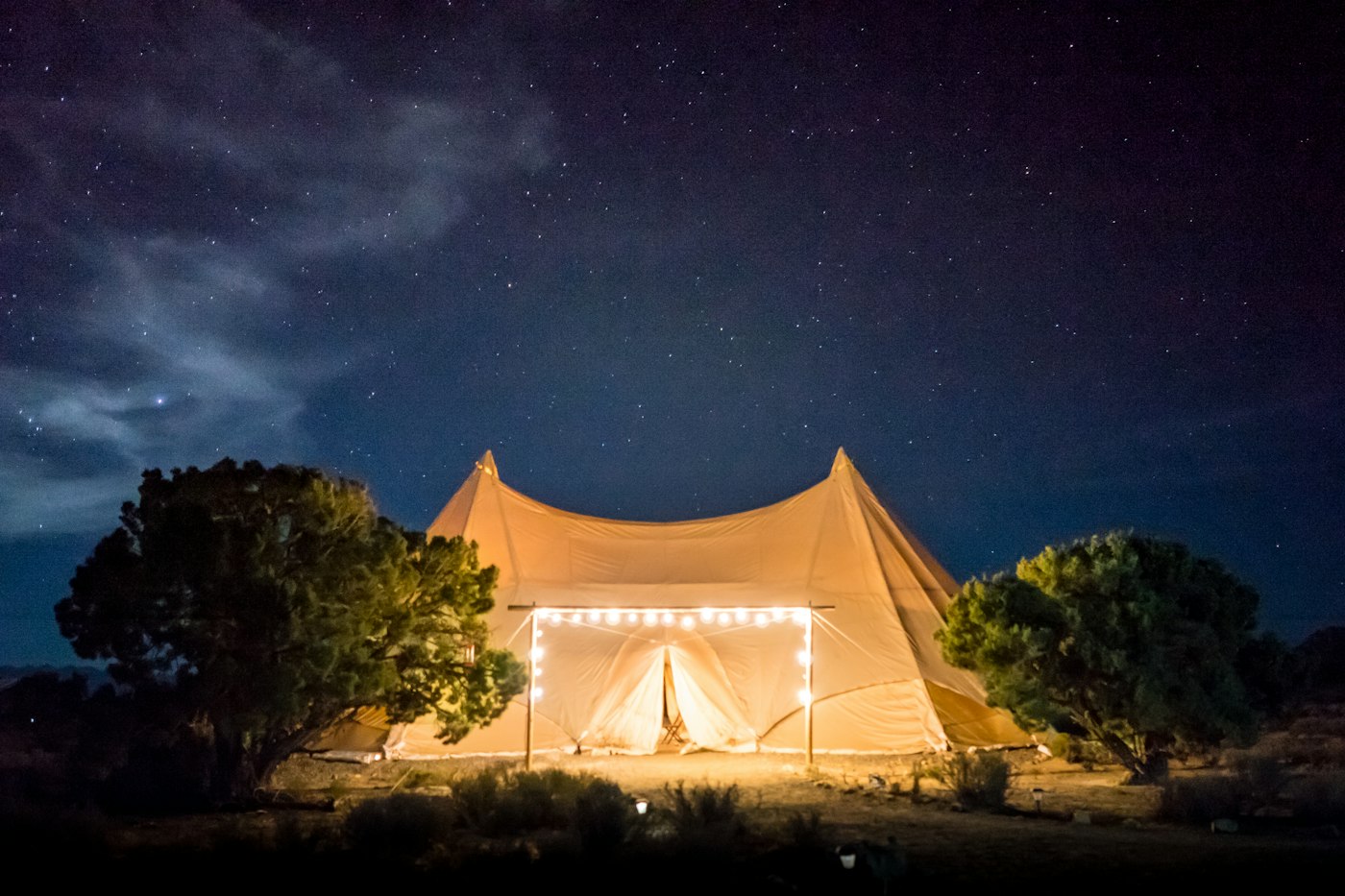
Every list of the world's great journeys ends the same way, at the bottom of the map. Antarctica has become the definitive entry in what the industry calls last-chance travel — the journeys people refuse to defer any longer — and the numbers show it: expedition cruising is the fastest-growing corner of the entire cruise market, and the polar season books out earlier every year. What has changed most, however, is not demand. It is comfort. A voyage that a generation ago meant research-vessel bunks now means a suite with a balcony over the ice, a spa with a glacier view, and dining that would hold its own in a capital city. The seventh continent has acquired a luxury tier — and it operates on an eighteen-month clock.
This guide covers the decisions that actually shape an Antarctic journey: the month, the ship, the route, the crossing, the suite — and the booking arithmetic that determines who gets first choice of all of them.
The season, month by month
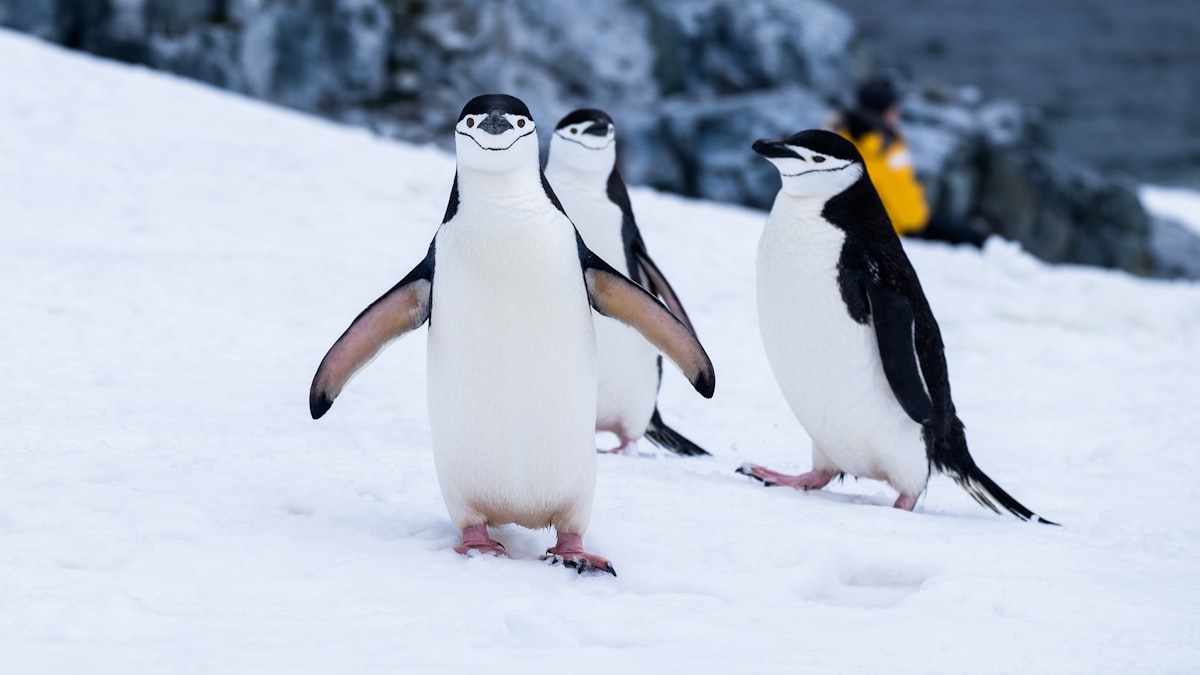
Antarctica admits visitors from November to March — austral summer — and the continent changes character almost weekly. November is the connoisseur's opening: ice at its most sculptural and untouched, snow pristine at the landing sites, penguins courting and nest-building in their hundreds of thousands. December and January are high summer: twenty hours of daylight, temperatures nudging above freezing, chicks hatching across the colonies, and the fullest expedition schedules of the season — this is when most first-timers travel, and demand prices accordingly. February and March belong to the whales: humpbacks feeding in the channels in extraordinary numbers, orca sightings at their peak, and a lower, golden light that photographers plan entire trips around.
The honest counsel is that there is no wrong month — only different Antarcticas. The right one depends on whether ice, birds or whales headline your imagination.
Why the ship is ninety per cent of the decision
Antarctica has no hotels; the ship is the destination's entire infrastructure, and choosing it is choosing everything. The governing fact is regulatory: international rules cap landings at 100 guests ashore at any site at one time, which means vessels carrying around 200 guests or fewer deliver the full expedition experience — everyone lands, often twice daily — while larger ships must rotate guests or, above 500 passengers, cannot land at all and cruise the ice as scenery. The luxury expedition fleet has organised itself around this arithmetic: intimate ice-class ships of 100 to 260 guests where every cabin is a suite, expedition teams of scientists and polar veterans outnumber typical cruise ratios several times over, and the hardware — fleets of Zodiacs, kayaks, sometimes submarines and helicopters — defines what the week can contain.
Within that fleet, the differences that matter are precise: the guest-to-expedition-staff ratio (the true measure of how much Antarctica you will actually absorb), the Zodiac-to-guest ratio (which sets how fast the ship empties for landings), stabilisers and ice class (which set how the Drake treats you), and the small luxuries that become large at 65 degrees south — a heated mudroom, a proper spa, a chef who understands that expedition appetite is a serious thing.
The Drake Passage question
Between South America and the Peninsula lies the most storied stretch of water on earth: the Drake Passage, two days in each direction, delivered either as the "Drake Lake" or the "Drake Shake" according to the Southern Ocean's mood. For many travellers the crossing is the pilgrimage's price of entry — two days of albatrosses, lectures and mounting anticipation that make the first iceberg feel earned. For others it is four days of a precious fortnight spent at sea, with seasickness as a genuine risk.
The market has answered with the fly-cruise: a two-hour flight from Punta Arenas over the Drake to King George Island, where the ship waits. The format compresses an Antarctic expedition into as little as eight days door-to-door, eliminates the crossing entirely, and has become the default recommendation for time-poor travellers and anyone with respect for their inner ear. Purists should know what they trade — the crossing's slow ceremony, and some scheduling exposure to King George Island's weather. We put the choice plainly to every client, because it is the single most personal decision in the itinerary.
Routes: Peninsula, Circle, and the South Georgia question
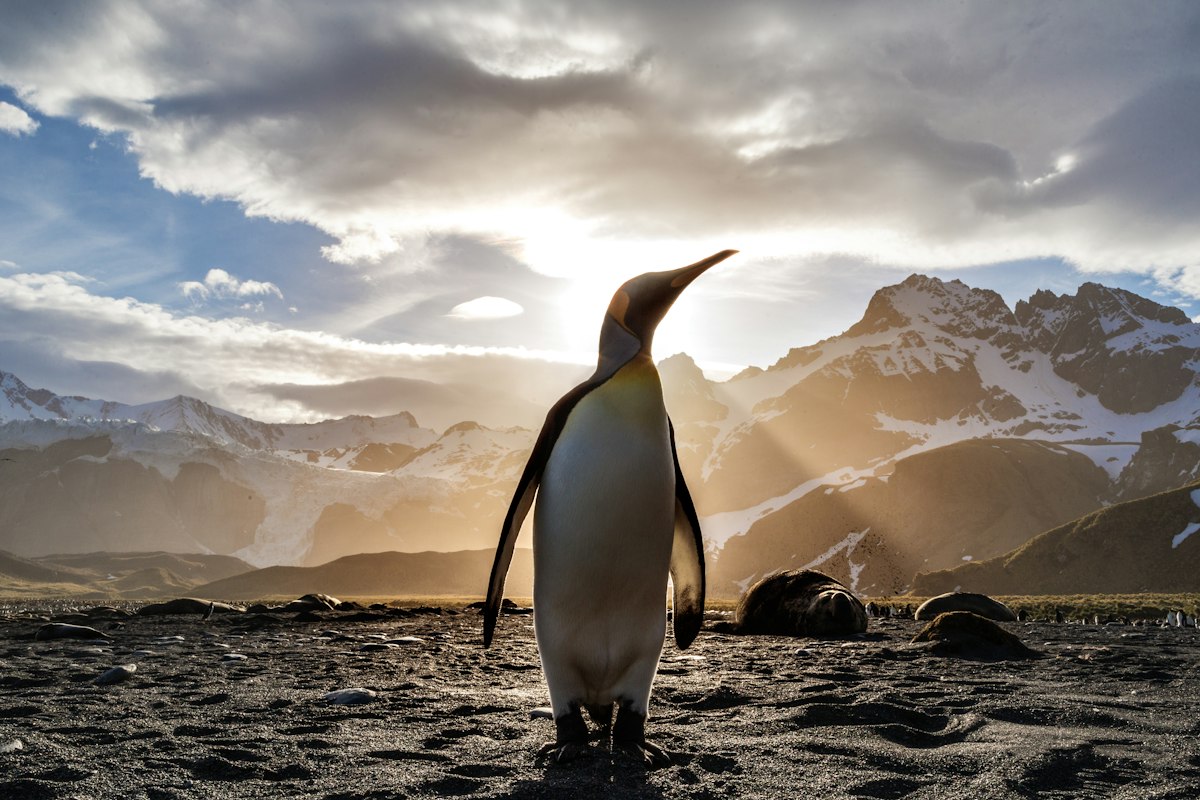
The classic itinerary — ten to twelve days — explores the Antarctic Peninsula: the channels and bays whose names (Lemaire, Paradise, Neko) become a private vocabulary, with twice-daily landings and Zodiac cruises among ice and colonies. Longer voyages push south across the Antarctic Circle, a certificate-and-champagne moment that adds remoteness real and symbolic. The great upgrade, however, is the extended route north-east: South Georgia, eighteen to twenty-two days round trip, where king penguin colonies carpet entire valleys in their hundreds of thousands and elephant seals stage their operatic dramas on the beaches. Travellers who have done both are near-unanimous: if the diary and the budget can stretch, South Georgia is not an add-on to Antarctica — it is its equal.
Life aboard: what luxury means at 65° south
A day on a luxury expedition ship runs to a rhythm no other cruise resembles: wake to the expedition leader's voice announcing the morning's landing; layer the provided parka over the boots that live in your heated mudroom locker; two hours among penguins or paddling past a sleeping leopard seal; back aboard for lunch as the ship repositions; a second landing or Zodiac cruise; then the recap — the expedition team's nightly seminar that turns the day's sightings into understanding — followed by dinner that has no business being this good this far from anywhere. The suites matter (a balcony over passing ice is worth its premium; a bathtub with a glacier view is a memory in itself), but seasoned polar travellers judge ships by their lecture theatres and their Zodiac counts before their thread counts.
Physical demands are modest — if you can step into a Zodiac and walk on uneven snow, Antarctica is available to you — and the age range aboard now spans honeymooners to travellers in their eighties collecting their seventh continent.
The booking arithmetic: why Antarctica is reserved a year out
Everything about this destination compresses supply: a four-month season, ships capped by design at a few hundred guests, landing sites capped by regulation, and demand rising on the twin currents of last-chance travel and expedition cruising's broader boom. The result is a market where the best suites on the best departures — December holidays, January peak, the South Georgia extensions — are reserved twelve to eighteen months ahead, and where waiting for a late fare is a strategy that occasionally saves money and reliably surrenders the voyage you wanted. The professional approach is the one this entire journey rewards: choose the season and ship deliberately, secure the suite with a deposit — modest against fares of this scale — and settle the balance by instalments across the long runway to departure. The structure of Antarctic booking, unusually, is perfectly shaped for instalment payment; the year of anticipation becomes part of the journey.
Positioned flights to South America in business class, the pre-voyage hotel night the operators require, insurance equal to the latitude — the practical layer around an Antarctic voyage is exacting, and it is precisely the work our Cruise Desk exists to carry. The seventh continent asks only two things of its travellers: decide early, and bring your full attention. Both are repaid for the rest of your life.
Preparing for the ice: fitness, kit and the practical countdown
Antarctica intimidates on paper and accommodates in practice. The physical bar is modest — the ability to climb a gangway, step between ship and Zodiac with crew assistance, and walk short distances on snow and stone covers essentially the whole programme — and expedition teams grade every landing so that guests choose their exertion. Operators require a medical questionnaire and, above certain ages or conditions, a physician's certificate; travel insurance with emergency-evacuation cover at genuinely polar limits is mandatory and non-negotiable, and arranging it correctly is part of our file on every booking. The kit question resolves more easily than feared: the luxury operators provide the expedition parka (yours to keep) and loan the boots, leaving guests to bring layers — merino base, fleece mid, waterproof trousers — plus gloves, glacier glasses and sun protection that the polar summer's reflected light makes unexpectedly serious.
The countdown has its own choreography: flights into Buenos Aires or Santiago, the operator's mandatory pre-voyage hotel night in Ushuaia or Punta Arenas, and — our standing counsel — a buffer day beyond it, because missing an expedition ship's departure is not like missing a hotel night. Business class on the long South American sectors is not indulgence before a voyage of this price; it is asset protection for the traveller the voyage was bought for.
Beyond the landings: kayaks, camping and the polar plunge
The landing-and-Zodiac rhythm is the expedition's spine, but the memories clients rank highest often come from the supplementary programmes — capacity-limited, pre-booked, and worth deciding about early. Sea kayaking leads the list: small guided groups paddling among ice with the engine silence the Zodiacs cannot offer, typically limited to a dozen guests per voyage and sold out months ahead. Ice camping — one night ashore in bivouac bags, no tents, the continent's silence as the entire event — sounds like endurance and is remembered as transcendence. The polar plunge, the voyage's comic sacrament, requires only nerve and produces the photograph half the ship frames. At the fleet's top tier, submarines and helicopters extend the repertoire below the waterline and above the peaks. None of these is necessary; each is capacity-constrained; all should be reserved at booking, not aboard.
Photography deserves its own preparation. The Antarctic light is a gift that punishes complacency: bring double the memory and battery you believe sufficient (cold devours charge), a polariser, and — more valuable than any lens — the discipline to sometimes put the camera down. The expedition photographers aboard the better ships teach precisely this balance.
Expedition ethics: visiting a continent that belongs to no one
Antarctica is the only destination we sell governed by treaty rather than government, and its visitor protocols are both strict and strangely moving. The industry association's rules — biosecurity vacuuming of every outer garment, boot disinfection at each landing, the five-metre wildlife distance that penguins themselves cheerfully ignore, nothing taken and nothing left — are enforced aboard the reputable fleet with a seriousness that becomes part of the experience's meaning. Guests routinely report that the protocols, far from diminishing the visit, dignify it: one arrives as a witness rather than a consumer. The corollary for booking is real: operator selection is ethics selection, and the fleet we work with holds full association membership, science partnerships and citizen-science programmes that let guests contribute observation data to polar research. On this continent, how you visit is part of what you see.
Antarctica in context: pairing the far south
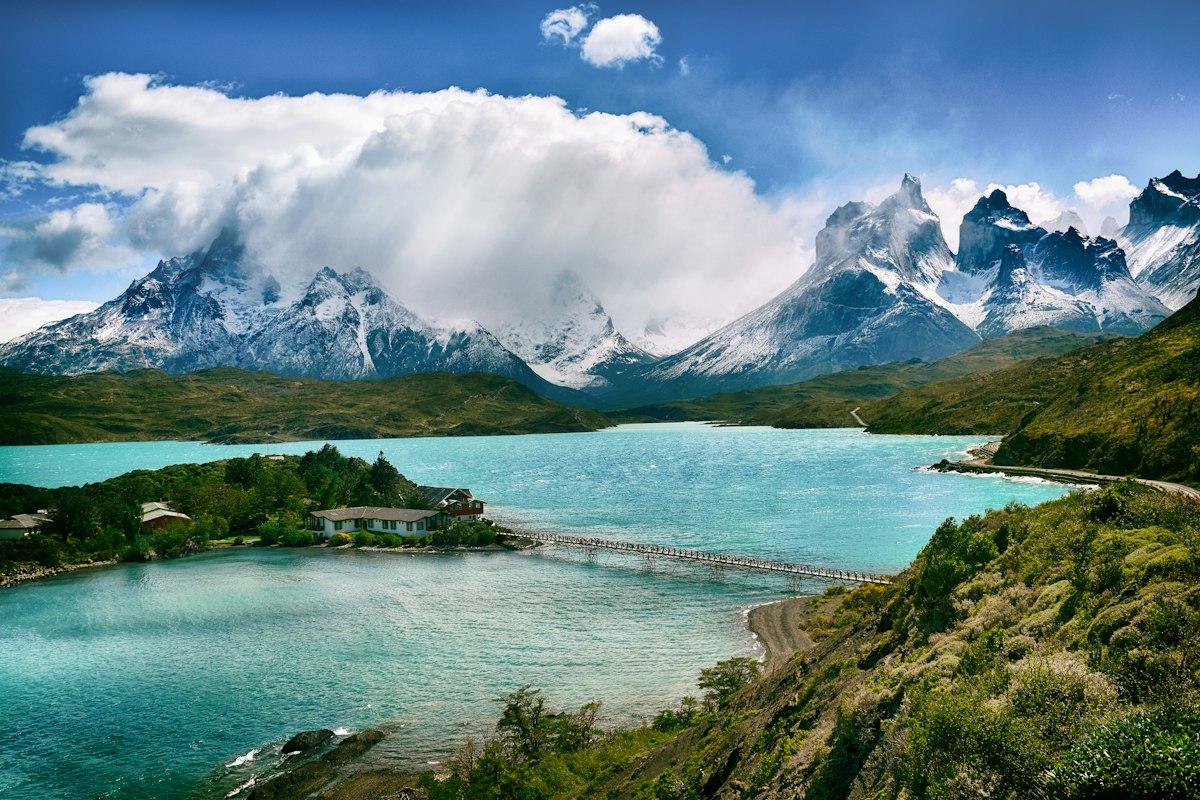
The journey's geography invites extension, and most of our Antarctic files are built as larger South American compositions. The natural pairings: three nights in Buenos Aires for the city's theatre and table before embarkation; Iguazú's falls as the tropical counterweight to the ice; Torres del Paine or the Argentine Lake District for travellers who want Patagonia's mountains beside its ocean; and Chilean wine country as the soft landing after disembarkation. The fly-cruise formats make a two-week composition — city, ice, Patagonia — genuinely workable, and the contrast principle that governs all great itineraries operates here at continental scale: nothing frames the white silence like the tango halls the week before.

The final word: the journey that reorganises the others
Clients return from most great trips with recommendations; they return from Antarctica with a changed reference frame. The continent does something specific to travellers — the scale, the silence, the indifference of a landscape that neither knows nor needs its visitors — and its effect shows up in how they book everything afterwards: less acquisition, more meaning; fewer destinations, deeper ones. That, more than the penguins, is what the eighteen-month wait purchases. The practical summary is brief because the destination's logic is: choose the month for what headlines your imagination, choose the ship for its expedition ratios before its thread counts, decide the Drake question honestly, secure the suite on deposit the season before you sail, and let the instalments and the anticipation run their parallel course. The Cruise Desk has the deck plans open. The far south is patient; its best suites are not.
The planning checklist: from decision to embarkation
An Antarctic file runs on a longer clock than any other booking we make, and the sequence is unforgiving of improvisation. First, the season chosen by imagination: November's ice, high summer's chicks and daylight, or the late-season whales — decided before any deck plan opens. Second, the ship selected on expedition arithmetic — guest count under the landing cap, staff and Zodiac ratios, ice class and stabilisers — with the suite chosen after the ship, never instead of it. Third, the Drake question answered honestly, crossing or fly-cruise, by inner ear and calendar. Fourth, the supplementary programmes — kayaks, camping, submarine — reserved at booking while capacity exists. Fifth, the deposit placed twelve to eighteen months out, instalments scheduled across the runway, evacuation-grade insurance arranged the same week. Sixth, the South American composition built around it: positioning flights in business class, the mandatory pre-voyage night, the buffer day, and the Patagonian or porteño chapters that frame the ice.
- Eighteen to twelve months out: season, ship and suite confirmed; kayak and camping places requested; South Georgia extensions decided.
- Nine months out: international flights ticketed; insurance certificates filed with the operator.
- Three months out: medical questionnaires returned; kit list actioned; boot and parka sizes lodged.
- One month out: final documents, weight-limited luggage packed for the charter sectors, and the camera batteries doubled.
No journey we sell rewards preparation so visibly, and none forgives its absence less. The continent itself asks nothing of its visitors but attention; the getting there asks method — and the method, from deck plan to buffer day, is precisely what the Cruise Desk carries. Decide the month. The ice has been patient for thirty million years; the best suites will not last the season.
Frequently asked questions
When is the Antarctic season, and which month is best?
Do I have to cross the Drake Passage?
How much does a luxury Antarctic expedition cost?
What wildlife will I actually see?
Why do Antarctic voyages sell out so far ahead?
Antarctica for 2026–27 or 2027–28?
Tell the Cruise Desk your preferred month and suite style. We will present the ships and departures that fit — and hold your suite on deposit while you decide.
Request Antarctica Options