Dubai for the Discerning Traveller: The 2026 Luxury Guide
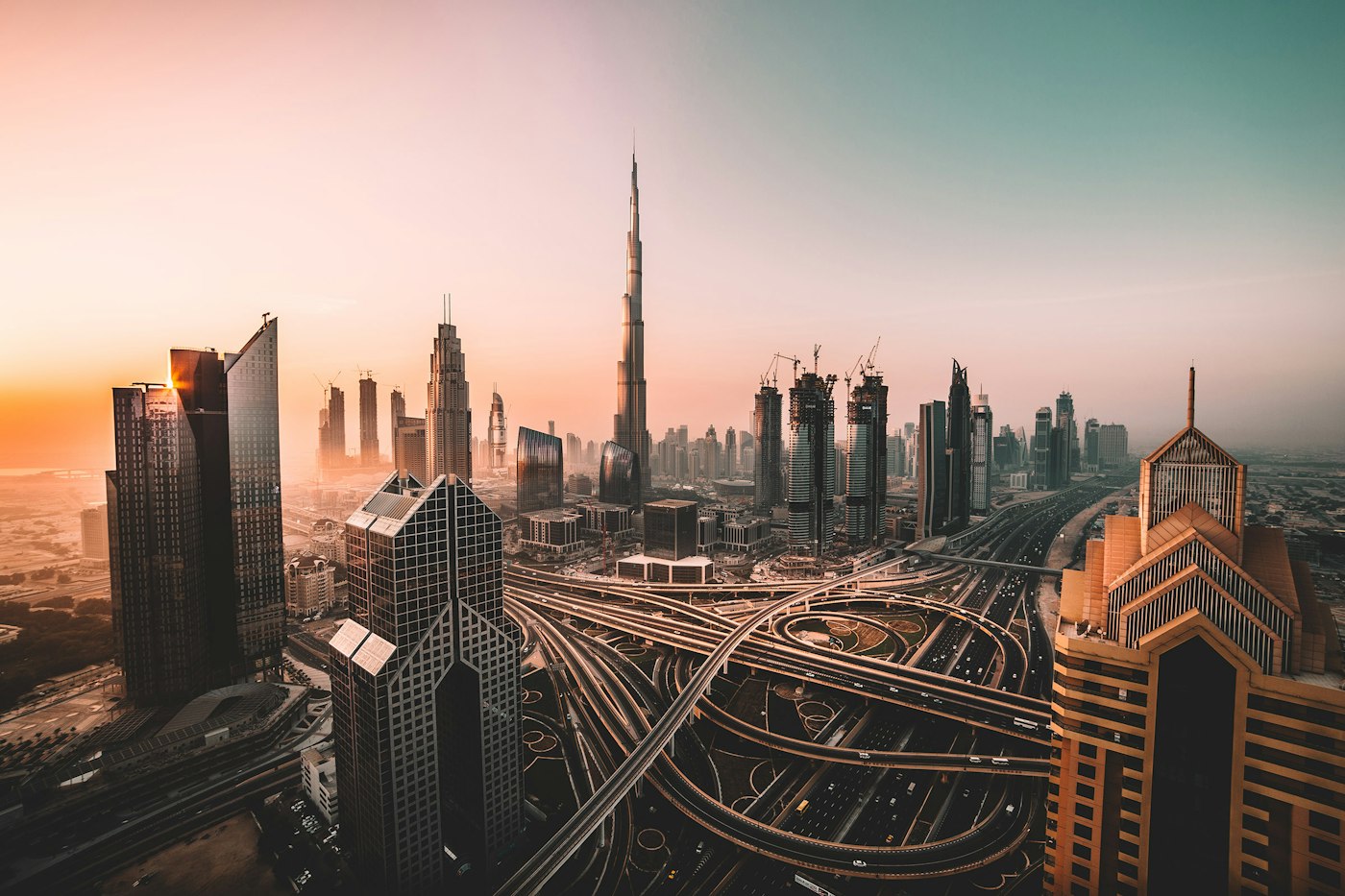
Dubai no longer needs an introduction; it needs an editor. With one of the deepest five-star hotel inventories of any city on the planet — swollen further by the thousands of new rooms added through 2025 — the challenge for the discerning traveller has inverted. The question is not whether Dubai can deliver luxury, but which of its hundred versions of luxury is yours: the beach estate on the Palm, the skyscraper suite above the fountain, the desert camp an hour from the towers, or all three stitched into one considered week.
This guide is written the way we brief clients at the desk: by decision, not by listicle. Where to base yourself, when to come, what genuinely merits your evenings, and how to book the peak weeks before they evaporate.
The three Dubais, and choosing your base
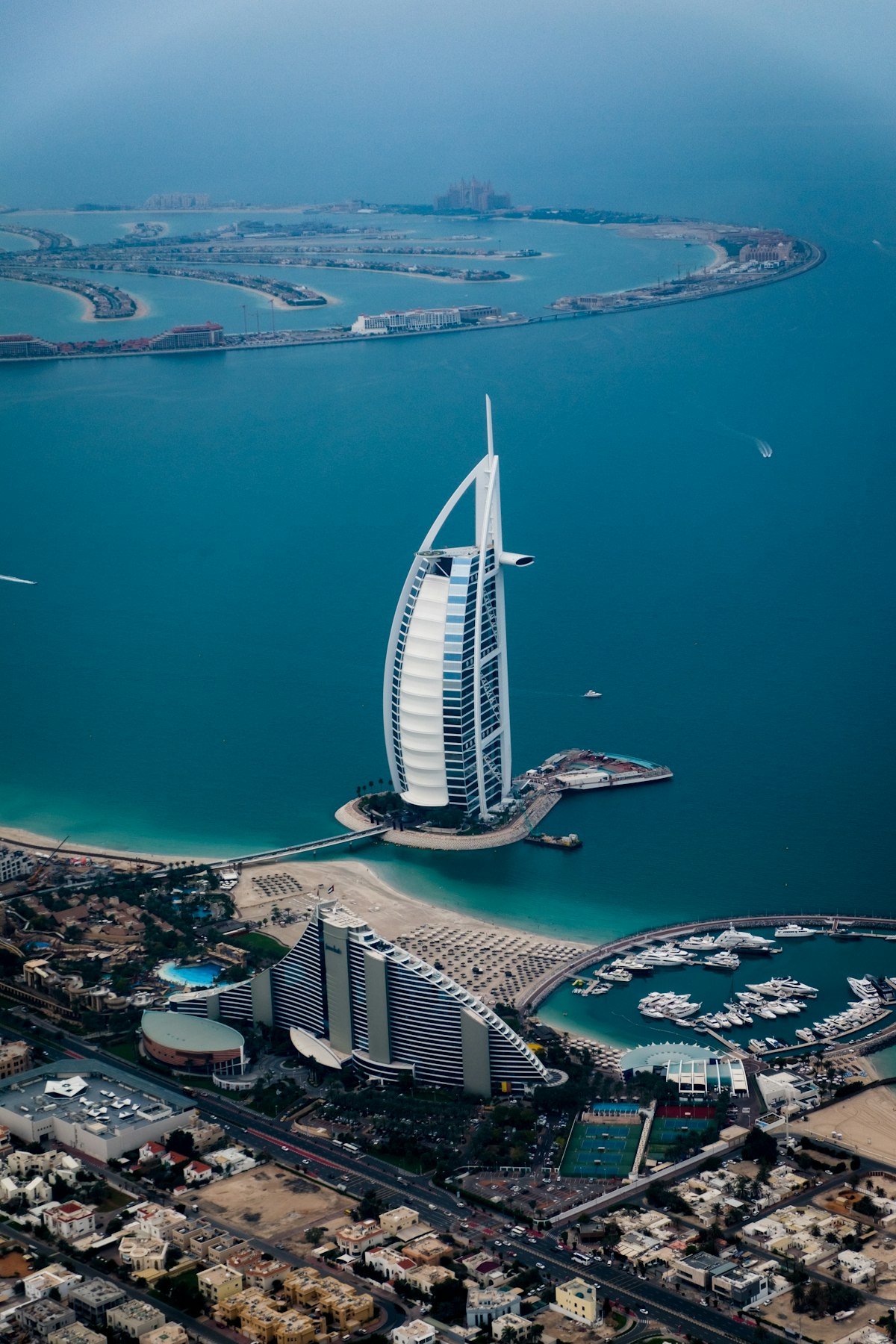
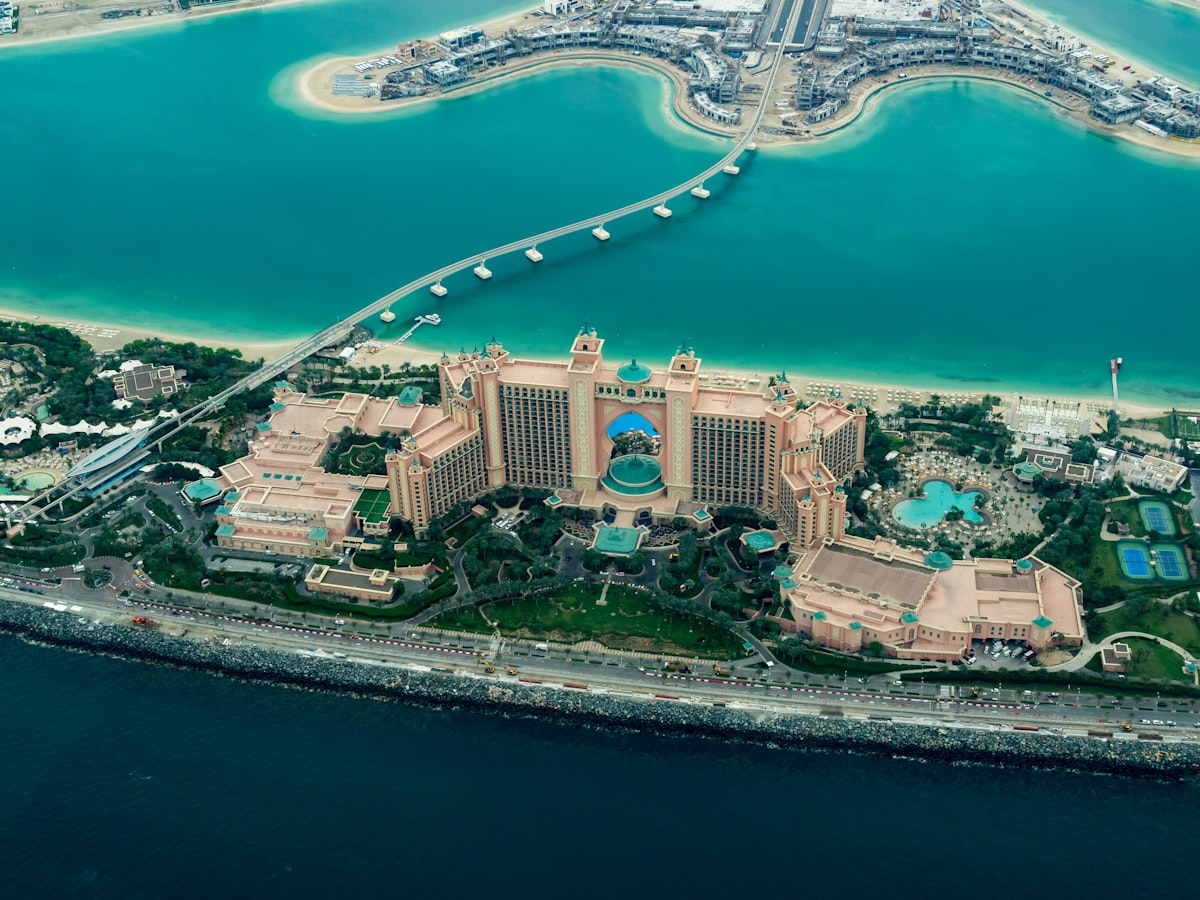
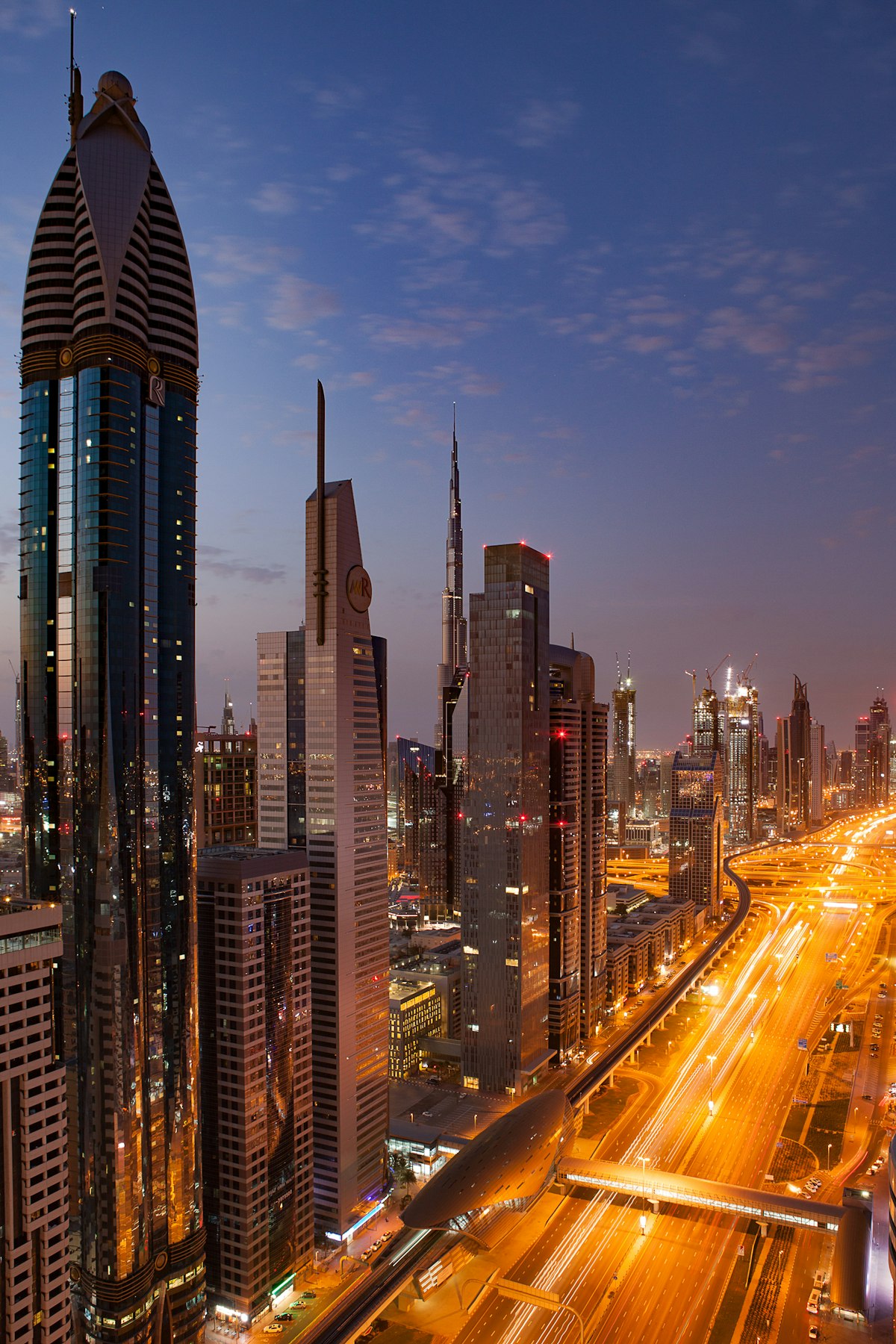
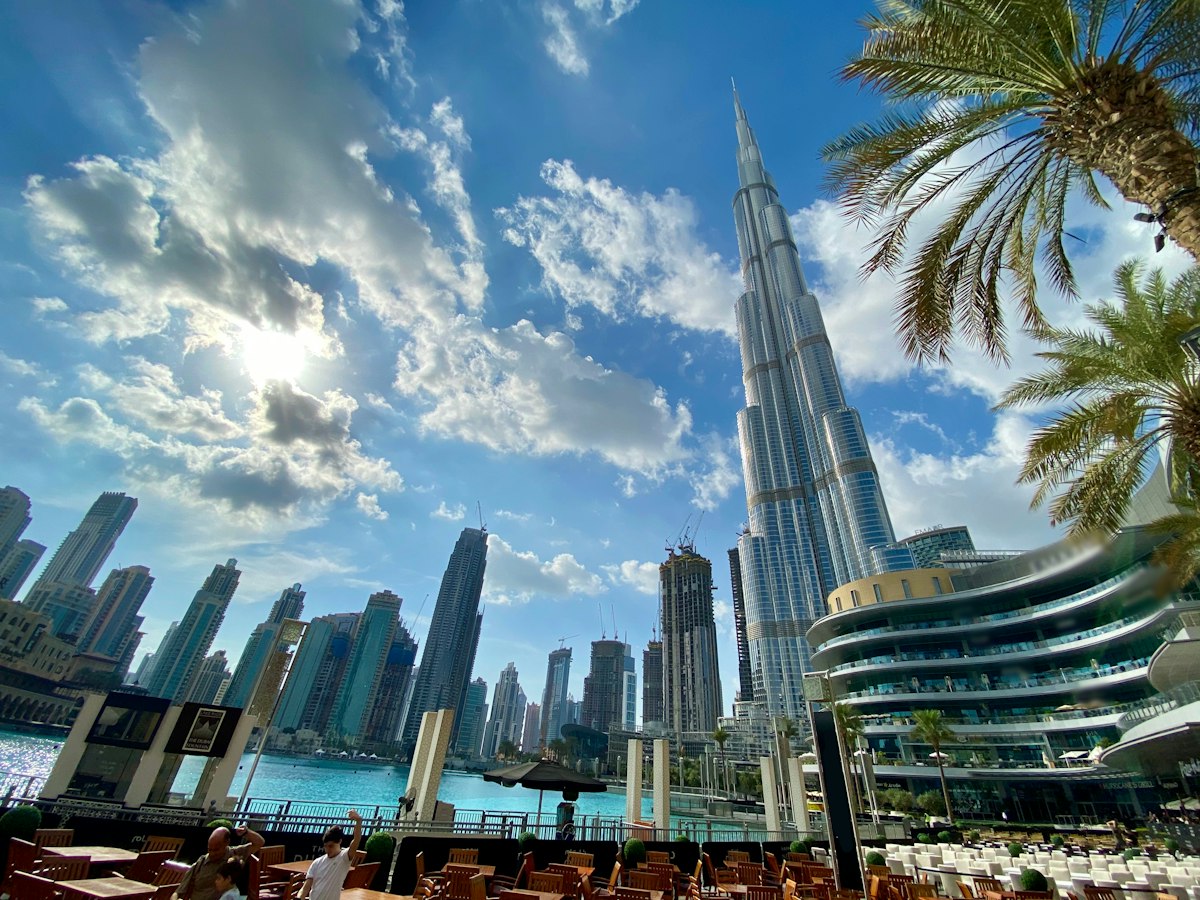
Beach Dubai runs along Jumeirah and out onto the fronds and crescent of the Palm: resort estates with private sands, beach clubs, kids' programmes and a rhythm built around sun. This is where the majority of leisure stays belong, and where villa-style suites give families room to breathe. City Dubai centres on Downtown, the Burj Khalifa district and DIFC — the address for travellers whose Dubai is restaurants, galleries, the Opera, and shopping conducted with intent. Hotel bars here host the city's most interesting evenings, and the suite views over the fountain remain among the great urban spectacles.
The third Dubai is the one most first-time visitors miss entirely: the desert. Within an hour of the towers, conservation reserves shelter luxury camps and lodges where oryx graze outside your tent, falconry happens at dawn, and dinner is served under a sky the city never shows you. One or two desert nights appended to a beach stay transforms the entire trip from a resort holiday into a journey — and it is the single upgrade we recommend most often.
When to come: the honest calendar
Dubai's season is the northern winter. From October to April the weather performs faultlessly — dry, bright, and warm without aggression — and the city's outdoor life operates at full tilt: beach clubs, terrace dining, desert evenings cool enough for a fire. Within that window, December through February is the apex, colliding with festive demand from every hemisphere; suites for Christmas and New Year are settled by early autumn, and the New Year's Eve fireworks make the city briefly one of the most reserved-out destinations on earth.
Summer is a different proposition, not an impossible one. From June to September the heat is genuinely formidable, but Dubai has engineered itself indoors magnificently, and hotels respond with suite rates that would be unthinkable in January. For travellers whose Dubai is spas, malls, restaurants and late-evening beach walks, a summer visit at a fraction of winter pricing is a defensible, even shrewd, purchase. We simply believe clients should choose it knowingly.
A city that eats seriously
Dubai's dining scene has completed its transformation from importer of famous names to producer of them. The city now holds a constellation of Michelin-starred kitchens spanning Emirati fine dining, Indian tasting menus of world consequence, and Japanese rooms that rival Tokyo's — alongside a chef's-counter culture where the most coveted seats in the city hold twelve people. The practical implication for travellers: the tables worth crossing the city for now book out weeks ahead, particularly Thursday through Saturday. Restaurant strategy has become part of trip planning, and our itineraries increasingly arrive with dinner reservations confirmed before the flight departs.
Beyond the starred rooms, insist on at least one evening of old Dubai: the creek at dusk, the spice and gold souks, dinner in a restored Al Fahidi courtyard. The contrast is the point — no city on earth lets you move between centuries so quickly.
Families: why Dubai became the default
No luxury destination has engineered itself for families more completely. Waterparks of genuine world class, an indoor ski slope, aquariums, desert wildlife drives, and beach resorts whose kids' clubs are staffed like schools — Dubai removes the traditional tension between a holiday the children love and one the adults actually enjoy. Add a manageable flight time from the UK, a minimal time difference, and a hospitality culture that treats children as guests rather than tolerated accessories, and the destination's dominance of the school-holiday market explains itself.
The planning consequence is equally clear: UK half terms, Easter and Christmas concentrate demand ferociously. Connecting rooms and family suites — always the scarcest inventory in any hotel — should be secured on deposit the moment dates are known. This is the single most repeated piece of advice our Hotel Desk issues, because it is the one that most often arrives too late.
Dubai as a hub: the stopover strategy
Geography made Dubai the world's connecting room, and clever travellers have turned that into an itinerary structure. Three nights in Dubai on the way to the Maldives; two nights of city energy before the serenity of an Indian Ocean island; a desert interlude en route to Asia or Australia. The flight networks make these pairings frictionless, and the contrast makes both halves better. A substantial share of the Dubai stays we construct are precisely this: the first movement of a longer composition, with business class flights, both hotels and every transfer confirmed as a single plan.
Beyond the postcard: what actually merits your time
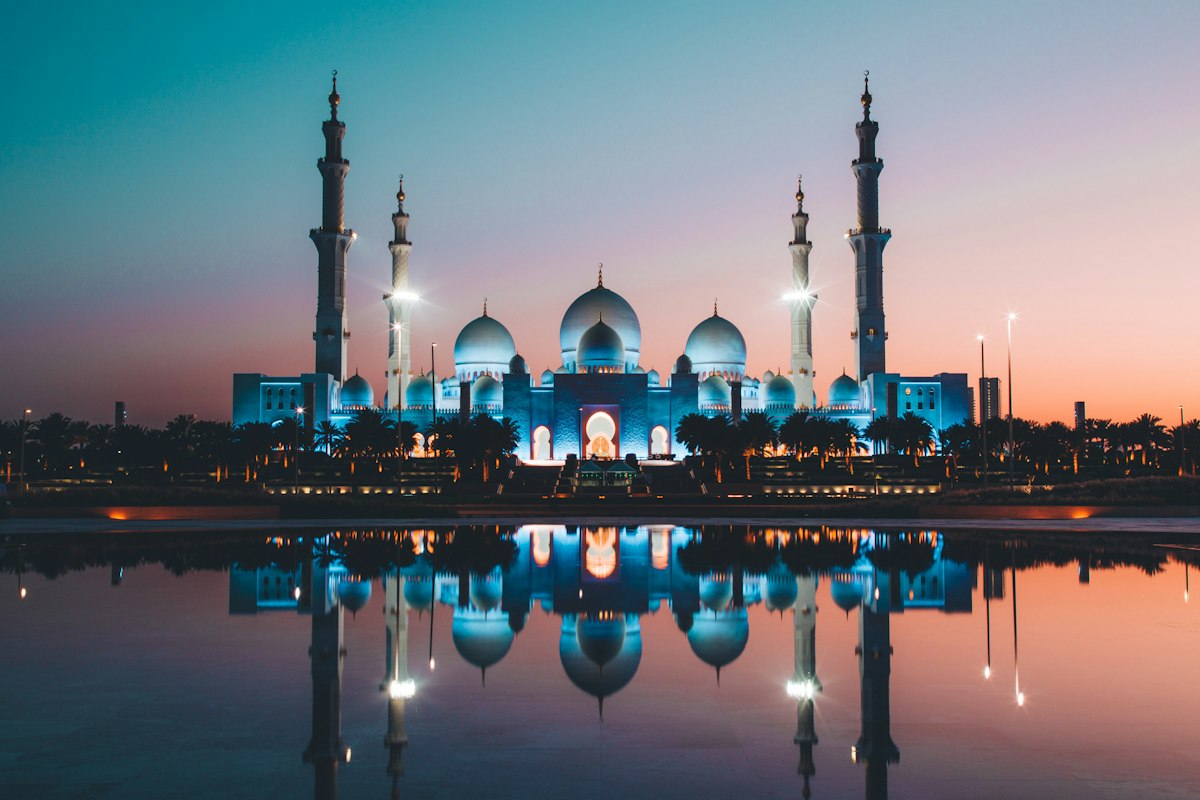
The observation decks and the fountain will take care of themselves. The experiences that clients still talk about a year later are more particular: a dawn hot-air balloon over the dunes with breakfast on landing; a private yacht afternoon along the Palm and Marina; falconry with a handler who explains the heritage rather than performs it; an art tour through Alserkal Avenue's galleries; a day trip to Abu Dhabi for the Louvre and the Grand Mosque, which remains the single most rewarding excursion in the Emirates. Dubai rewards travellers who plan two or three anchor experiences and leave the rest of the day unscripted around them.
Booking strategy for the peak weeks
Dubai in high season is a study in concentrated demand: festive fortnight, February half term and Easter behave like separate markets with their own economics. Suites and connecting rooms in the flagship resorts are settled months out, and late booking in these windows buys compromise at full price. The professional approach is the one we apply across our portfolio — identify the right property early, secure it with a deposit, and settle the balance upfront or by instalments before travel. Corporate clients using Dubai for incentives and leadership offsites can go further still, with our Corporate Desk extending credit terms to approved accounts after six months of regular usage.
Dubai will happily sell you its most obvious version. The city's better self — the desert dawn, the twelve-seat counter, the suite that faces the right way on the right week — goes to travellers who plan like insiders or engage one. That, precisely, is the service.
The suite question: choosing rooms in a vertical city
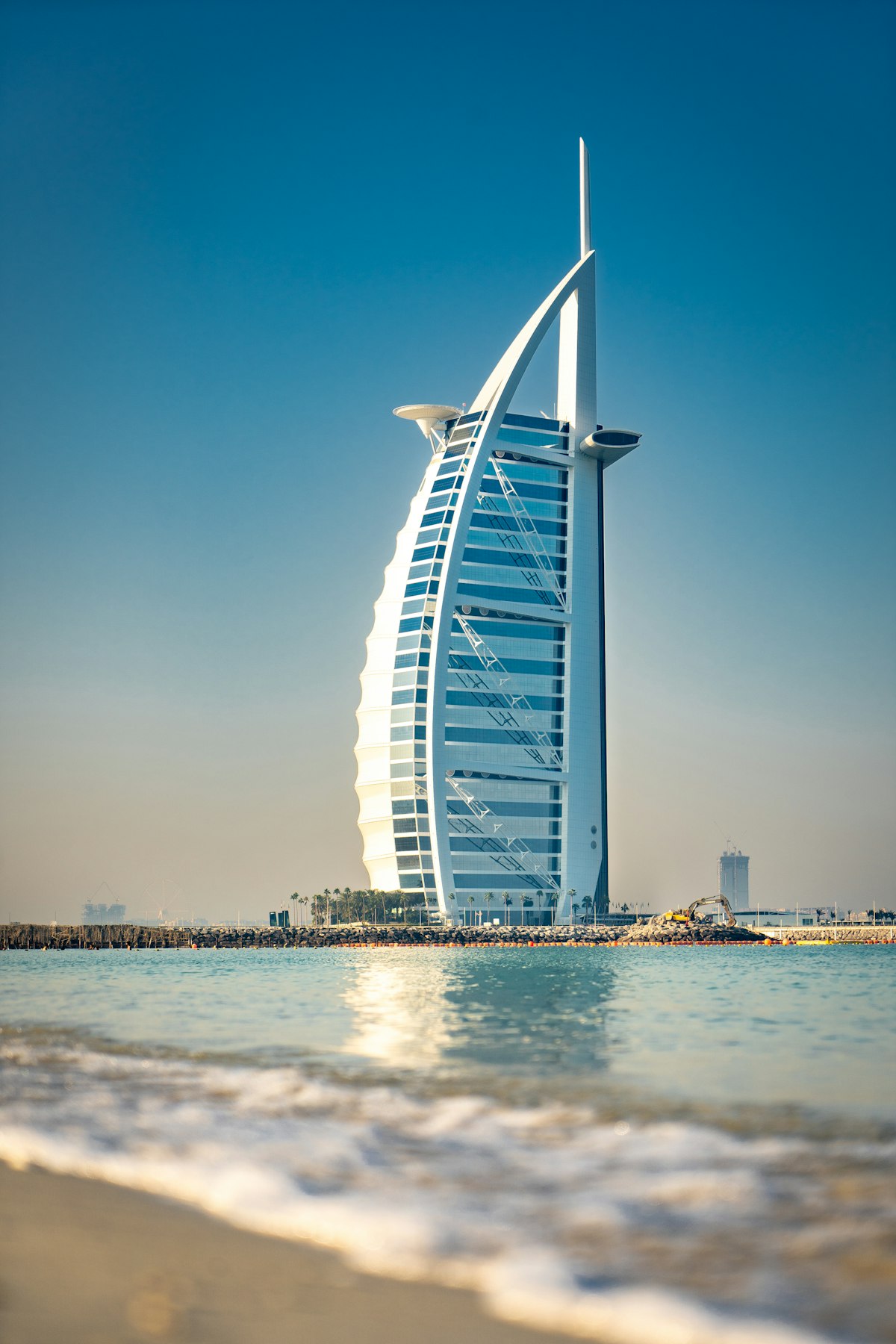
In most cities the room decision ends at the hotel's name; in Dubai it begins there. The city's skyline economics mean the same property can offer a low-floor room facing the service road and, forty storeys up, a suite whose view is the entire reason to come — and the booking engines price both with identical enthusiasm. The details that decide a Dubai stay are orientational: fountain-view versus sea-view, high-zone versus low-zone, sunset aspect on the Palm's western fronds, club-lounge access that transforms a family's economics at breakfast and dusk. On the resort side, the equivalent question is villa versus room: the beach-villa categories with direct sand access and plunge pools have become the connoisseur family's default, and they are the first inventory to vanish for school holidays.
Our practice is to specify the room as precisely as the hotel — aspect, floor band, connecting configuration confirmed in writing — because in Dubai the gap between a good and a great stay is frequently forty floors and a compass point.
A connoisseur's week: one itinerary, fully worked
To make the strategy concrete, here is the shape of a seven-night Dubai we build repeatedly, adjusted to taste. Nights one to four, the Palm: a beach-villa base, mornings on the sand while the body forgets the flight, one anchor experience per day — the yacht afternoon along the Marina, the Friday brunch done properly once, an evening at the observation decks timed for the golden-to-blue hour. Night five, the desert: transfer an hour inland to a conservation-reserve camp; falconry at dusk, dinner under the Milky Way, dawn camel ride before the heat. This single night reorders most visitors' entire impression of the Emirates. Nights six and seven, Downtown: a fountain-facing suite, the galleries of Alserkal, serious shopping conducted efficiently, and the two dinner reservations that were confirmed a month ago — one starred tasting room, one courtyard in old Al Fahidi. Departure on the late flight, which returns the final day to the pool rather than the lobby.
The structure matters more than the specifics: beach first while energy is low, desert as the mid-week reset, city last when appetite for pace has returned. Reverse it and the week fights itself.
Abu Dhabi and the day-trip calculus
Ninety minutes down the coast, Abu Dhabi has quietly assembled a cultural district that no Dubai itinerary should ignore. The Sheikh Zayed Grand Mosque remains the single most breathtaking building in the Gulf — go at the final hour before sunset, when the marble turns rose and the courtyards empty — and the Louvre Abu Dhabi's rain-of-light dome now anchors an island of museums that rewards a full unhurried day. Add the Qasr Al Watan palace and, for families, the Yas Island parks, and the emirate next door justifies either a chauffeured day trip or, increasingly in our itineraries, a two-night split stay. The practical counsel: private car over tour coach without hesitation — the flexibility to linger at the mosque's golden hour is worth the difference alone — and dress-code awareness at religious sites, which your driver-guide will handle gracefully.

Practicalities the brochures skip
Dubai is among the easiest luxury destinations on earth to visit, and a handful of specifics make it easier still. UK passport holders receive entry on arrival without pre-arranged visas. The weekend runs Saturday–Sunday, with Friday brunch culture intact and thriving. Alcohol is served freely in hotel restaurants and licensed venues; public decorum is simply a matter of ordinary courtesy, with modest dress expected in malls and required at religious sites. Ramadan shifts the city's rhythm rather than closing it — daytime dining moves discreet, evenings become spectacular — and travelling during it is entirely viable with adjusted expectations. Taxis are cheap and ubiquitous, but a hotel car or dedicated driver repays itself in summer months within a single afternoon. And the time difference from the UK — four hours in winter, three in summer — makes Dubai one of the few luxury destinations with essentially no jet lag, a fact families with young children learn to treasure.
Tipping runs modest and appreciated rather than obligatory; ten per cent in restaurants where service is not included, small notes for valets and porters. The currency is stable, cards universal, and the city's safety genuinely exceptional — a component of its family dominance rarely stated outright.
Corporate Dubai: incentives, offsites and the credit dimension
A growing share of our Dubai files are corporate: leadership offsites where the desert camp replaces the conference hotel, incentive trips where the city's theatre does the motivating, client hospitality built around the winter season's marquee sporting and cultural weekends. Dubai suits corporate travel structurally — flight connectivity from every region a multinational cares about, hotel meeting infrastructure at genuine scale, and a hospitality culture that makes seven-hundred-person gala dinners look effortless. Our Corporate Desk runs these programmes end to end: rooming lists, air blocks in business class, production partners on the ground, and — for accounts past six months of regular usage — the credit facility that lets the company travel now and settle on invoice terms. For finance directors, that last element frequently decides the destination question by itself.
The final word: a city that rewards specification
Dubai's abundance is its trap. A city with this many five-star beds, this many starred kitchens and this many versions of itself will happily absorb an unspecified booking and return an average week at a premium price. The travellers who leave Dubai converted — and they are the majority of ours — are the ones whose trips were specified: the right district for their rhythm, the right room by aspect and floor, the desert night included, the tables booked before departure, the peak-week suite deposit-secured the moment dates were known. Specification is not fussiness; in Dubai it is simply how value is extracted. Bring us the dates and the party, and the desk will do the specifying.
The planning checklist: Dubai without the guesswork
Reduced to its working parts, a well-made Dubai booking follows a sequence any traveller can audit. First, the season decision — winter certainty at winter prices, or summer value with an indoor-and-evening itinerary — made knowingly rather than by default. Second, the base: Palm or Jumeirah beach for resort-led weeks, Downtown or DIFC for city-led ones, the split stay for travellers who want both Dubais properly. Third, the room specified like a contract — aspect, floor band, connecting configuration — because in this city the view is the product. Fourth, the desert night reserved, the single upgrade that most reliably transforms the trip. Fifth, the tables: the two or three dinners that matter, confirmed weeks out for the weekend slots. Sixth, the deposit on any school-holiday or festive stay, placed the day dates are known, with the balance on instalments.
- Festive fortnight and February half term: suites and connecting rooms secured four to six months ahead — the scarcest inventory in the city.
- Marquee sporting and cultural weekends: hotel rates spike citywide; book around them or into them deliberately, never accidentally.
- Stopover structures: Maldives, Asia and Australia pairings priced as one itinerary — frequently below the sum of separate bookings.
- Corporate programmes: air blocks, rooming lists and desert-venue holds through the Corporate Desk, with credit terms for established accounts.
Dubai will always sell a version of itself to anyone who arrives. The travellers who leave converted are the ones who specified — and the specification, from room aspect to reservation list, is precisely what the desk exists to carry. Bring the dates; the city, properly arranged, does the rest.
Frequently asked questions
What is the best time of year to visit Dubai?
Should I stay at the beach or downtown?
Is Dubai good for a family holiday?
How many nights do I need in Dubai?
Can I secure Dubai bookings on deposit?
Planning Dubai this season?
Give the Hotel Desk your dates and party. We will pair the right hotel with the right neighbourhood — and hold it on deposit while you confirm.
Request Dubai Options