Wellness Travel in 2026: Sleep Retreats, Longevity Clinics and the New Rest
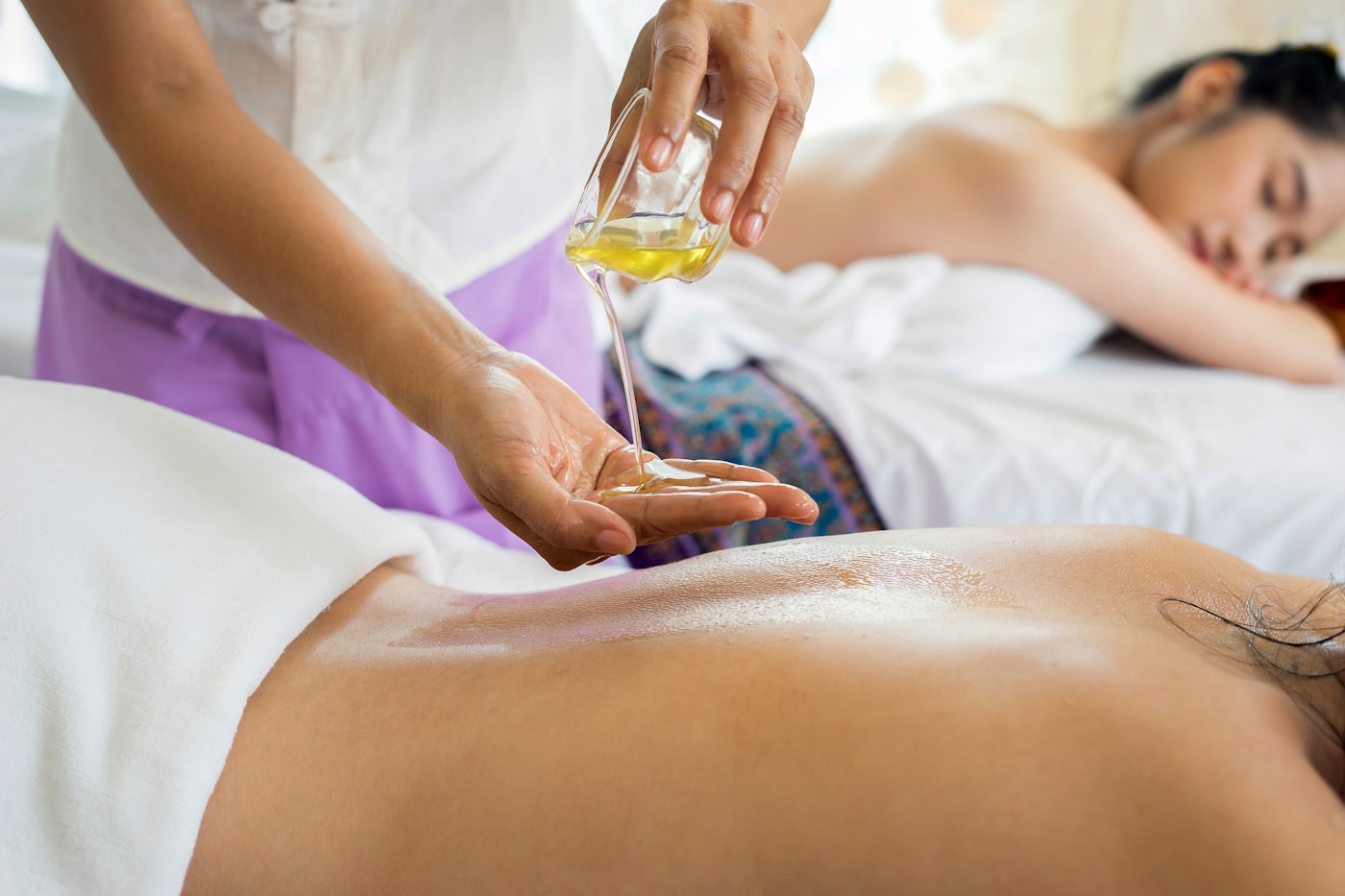
Every era of luxury travel has a defining request. There was the era of the destination, the era of the experience, the era of the photograph. The request defining 2026 is quieter and more radical: make me feel better than when I arrived. Industry research across millions of bookings finds emotional wellbeing, recovery and reconnection now ranking among the strongest motivations in high-end travel, while search data shows queries for sleep retreats, digital detox environments and quiet coastal escapes generating thousands of searches month after month. Wellness has stopped being a hotel amenity. It has become the reason for the journey.
The market that answers this demand is vast, uneven and confusingly labelled — the word "retreat" now covers everything from a scented pool to a medically supervised fast. This guide maps the genuine categories, the destinations that lead each one, and the matching questions that decide whether a wellness journey restores you or merely photographs well.
Why rest became the destination
The forces are visible in every consulting room and every departure lounge: professional lives without edges, screens without end, and a generation of high performers discovering that two weeks of ordinary holiday no longer repairs a year of extraordinary depletion. The response among affluent travellers has been to stop treating rest as a by-product of travel and start engineering it as the objective. Hotels are now evaluated less by location than by outcome — will I sleep here, will I think here, will I come back different — and entire destinations are repositioning around that question.
The industry has answered with unprecedented seriousness: sleep scientists on hotel payrolls, longevity clinics expanding across the Alps and Asia, and a new architecture of quiet — properties designed around silence, darkness and space as deliberately as others design around views.
The sleep retreat: wellness travel's fastest riser
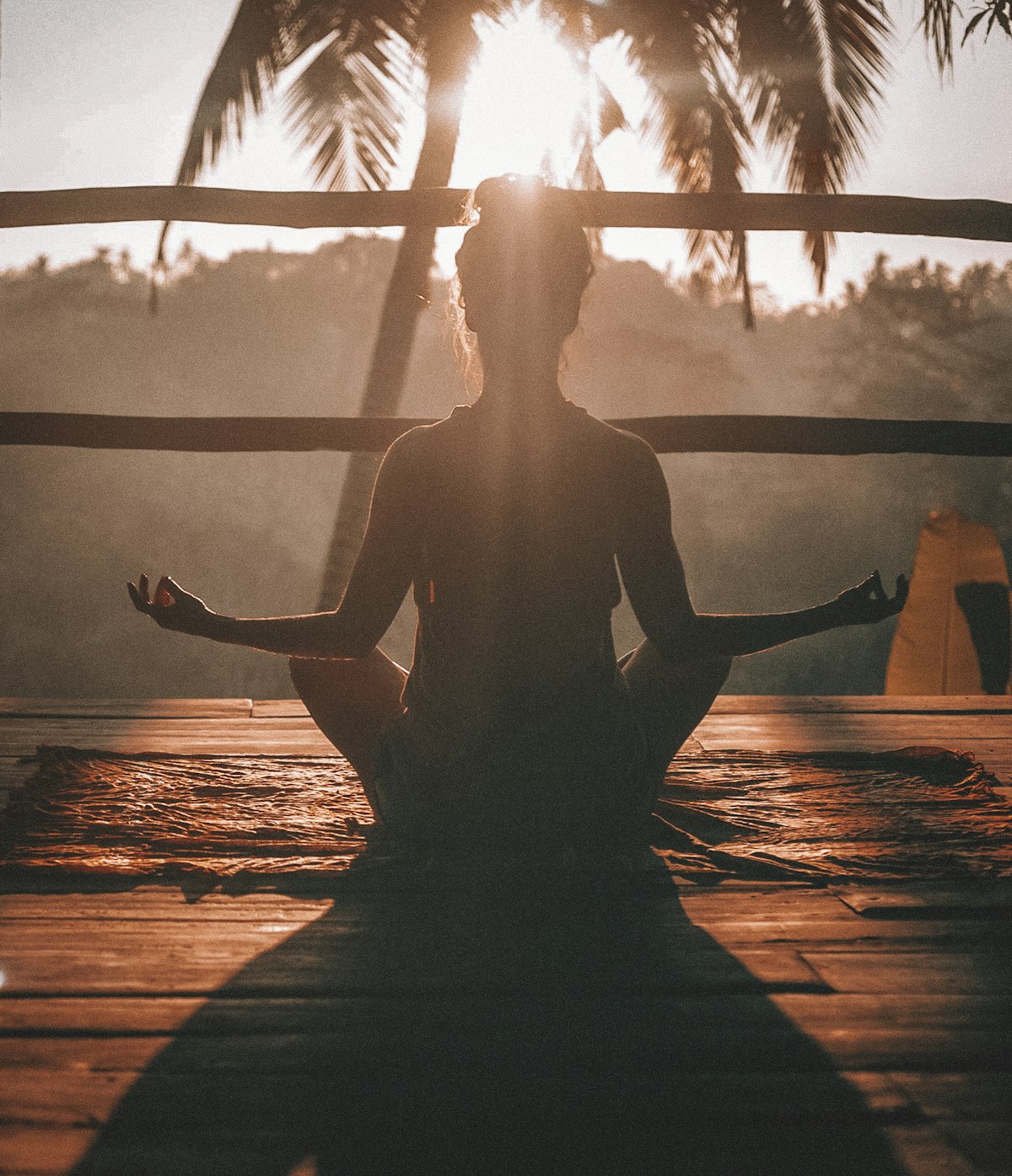
Of all the currents in the category, none has risen faster than sleep. Queries for sleep retreats, quiet hotels and recovery-focused stays now register in the thousands globally each month, and the programmes answering them have matured well beyond a pillow menu. A serious sleep retreat begins with assessment — consultations, sometimes wearable diagnostics — and proceeds through a residential protocol: suites engineered for total darkness and silence, schedules aligned to circadian biology, treatments sequenced to downshift the nervous system, menus and lighting timed to the same end. The formats span three-night urban resets to fortnight-long clinical programmes in the mountains.
Who they serve is precise: executives whose sleep broke somewhere over the Atlantic years ago, new parents emerging from the tunnel, anyone for whom exhaustion has become a personality trait. Matched correctly, they are among the highest-return purchases in all of travel — clients describe the effect not as a holiday but as a repair.
Longevity clinics and the medical end of the spectrum
At the category's clinical pole stand the longevity and medical-wellness houses — the storied Alpine institutions and their fast-multiplying peers across Europe and Asia. Here the week begins with diagnostics that would flatter a hospital: blood panels, body composition, cardiac and metabolic screening — and proceeds through a physician-designed programme of treatment, nutrition, movement and, at some houses, supervised fasting traditions refined over a century. The aesthetic is closer to sanatorium-as-five-star-hotel than to spa, and that is precisely the appeal: guests come for measurable outcomes, and return annually to measure them.
These programmes are consequential purchases — a week at a leading clinic can rival a Maldivian villa — and they demand honest matching. They suit travellers ready to be patients for a week; they frustrate those who wanted a holiday with vegetables. Our role is frequently to say, gently, which one a client actually wants.
The geography of restoration
Four regions anchor the map. The Alps own the clinical crown — Switzerland and Austria's medical houses, now joined by high-altitude spa resorts where the mountain itself is the therapy. India offers Ayurveda in its authentic home: panchakarma programmes of two to three weeks at retreats where the tradition is practised as medicine rather than aesthetics, increasingly paired by our clients with a private Golden Triangle journey. Southeast Asia — Thailand's pioneering destination spas, Bali's retreat culture — delivers the warmest version of the category, where serious programmes coexist with beaches and the value equation remains remarkable. And the Maldives has quietly become a wellness power in its own right: overwater spa sanctuaries, resident practitioners from every tradition, and the ocean's own prescription of horizon and hush.
To these, add the riser: Europe's quiet coasts. Search interest in digital detox environments and secluded retreats has lifted a constellation of small coastal properties — Atlantic Portugal, the Greek islands' calmer shores, Italy's less-trodden edges — where the programme is simply silence, sea and a kitchen that cooks like a caring relative. For many depleted travellers, this gentlest format is the correct prescription.
Matching traveller to retreat: the questions that decide
The wellness market's real difficulty is not quality but fit, and fit is decided by questions the brochures never ask. Do you want to be treated or left alone — a structured programme or an environment of rest? Is the goal physiological (sleep, weight, a health reset) or psychological (quiet, perspective, reconnection)? How much luxury does the medicine need to wear — will you fast happily in clinical minimalism, or does restoration require beauty? Is anyone coming with you, and do they want the same thing? A couple where one partner seeks a supervised programme and the other seeks a pool and a wine list is not a problem; it is a matching brief, and several destinations solve it elegantly.
We ask these questions before proposing a single property, because the wrong retreat is worse than none: a clinical house frustrates the traveller who needed softness, and a beautiful spa disappoints the one who needed results.
The practical layer: booking, timing and travelling well to rest well
Wellness travel has its own calendar. January and early spring intakes at the famous houses fill with resolution-season demand; May and September — the recovery months after work's two long pushes — are the connoisseur's windows; and the leading programmes everywhere run at capacity on returning guests, making deposit-secured booking two to six months ahead the standard discipline. The journey itself should obey the brief: a business class flight and a seamless private transfer are not indulgences en route to a rest cure, they are its first treatment. Arriving depleted at a place you came to for restoration is a self-defeating economy.
Constructed properly — flights, transfers, programme and the quiet room at the end of it as one plan — a wellness journey through our Bespoke Desk does the one thing this entire category promises and only careful design delivers: it gives you back to yourself.
A retreat, day by day: what the programme actually contains
Prospective guests imagine wellness retreats as either boot camps or spa marathons; the serious houses are neither. A representative day at a programme-led retreat begins before the phone would normally allow: movement at first light — yoga, a guided walk, breathwork — followed by a breakfast built by the nutrition team around your intake assessment. Mid-morning carries the day's clinical or therapeutic appointments: the consultation, the diagnostics review, the physiotherapy or the fast's supervision. Afternoons alternate treatment and rest in deliberate ratio — the massage sequence, the thermal circuit, the enforced hour of nothing that first-week guests resist and second-week guests protect fiercely. Evenings close early and quietly: a lecture perhaps, dinner engineered for the night's sleep, screens surrendered or self-banished. The repetition is the mechanism; by day four the nervous system stops bracing, and the work begins.
The corollary is honest expectation-setting. Days one to three frequently feel worse — caffeine withdrawal, digital withdrawal, the fatigue that surfaces once adrenaline stands down. The houses know this arc intimately and staff for it. Guests who book four nights meet only the descent; the transformation lives in nights five to fourteen, which is why our counsel on duration is the least popular and most important advice we give.

Choosing by tradition: Ayurveda, thermal, clinical and contemplative
Beneath the marketing, wellness houses descend from distinct traditions, and matching traveller to tradition matters more than star count. The Ayurvedic lineage — at its authentic depth in Kerala and the serious Indian retreats — treats the fortnight as medicine: individualised panchakarma protocols, doctors in daily attendance, food as prescription. The European thermal-clinical line, alpine above all, marries spa waters to hard diagnostics and physician-led programmes; it suits the traveller who wants measurable outcomes and trusts white coats. The Asian retreat tradition — Thailand and Bali its capitals — integrates movement, treatment and food with a warmth the clinical houses cannot counterfeit, and forgives the partner who came mainly for the pool. And the contemplative strand — silent retreats, monastery-adjacent houses, the new secular sanctuaries — sells the scarcest commodity of all: structured silence. Most travellers belong clearly to one tradition; discovering which, before booking, is the consultation's real work.
The executive reset and the corporate dimension
The fastest-growing client for the serious retreat is not the wellness enthusiast but the depleted executive — and increasingly, the company sending them. Burnout has moved from confession to line item: leadership teams now cycle through structured resets the way they once cycled through conferences, and the retreats have responded with executive programmes combining diagnostics, sleep repair and cognitive recovery in discreet, high-privacy settings. Our Corporate Desk arranges these both as individual placements and as leadership cohorts, and the corporate credit facility — available to accounts after six months of regular usage — has made the budgeting conversation notably shorter. The return-on-investment argument writes itself: against the cost of a departed senior hire, a fortnight that returns one functioning is rounding error.

Combining restoration with journey: the hybrid itinerary
The retreat need not be the whole trip, and our most-loved wellness files are hybrids. The classic constructions: a Rajasthan journey that ends, rather than begins, with a week of Ayurveda — sightseeing first, so the treatment weeks close the trip in stillness; the Maldives split that pairs an active island with a sanctuary one; the alpine sequence of a clinical week followed by three soft nights on Como as re-entry. The design rule is directional — journey first, restoration last — because arriving home directly from the retreat preserves its effects, while sightseeing after one squanders them. Similarly, the flight home matters more than the flight out: a flat bed and a gentle landing schedule are the retreat's final treatment, and we book them as such.
For couples with divergent appetites, geography solves what negotiation cannot: destinations where a serious programme and a resort life share a property — one partner in consultations, the other on the golf course or the reef — reunite the party at dinner with both agendas honoured. Naming this need at the outset is not an awkwardness; it is the brief.
The final word: rest as the scarcest luxury
The wellness turn in luxury travel is sometimes dismissed as fashion. The data — and the faces of clients returning — argue otherwise: this is the market pricing, at last, the one commodity modern success systematically strips from its winners. The travellers booking sleep retreats and quiet coasts are not chasing a trend; they are purchasing back their own attention, and they have discovered that the purchase, made well, holds value longer than any suite upgrade. Made poorly — the wrong tradition, the too-short stay, the beautiful spa when the body needed medicine — it disappoints like nothing else in travel. Which is the entire case for booking this category through people who ask the uncomfortable questions first. Tell us what depleted feels like; the desk will find what restored looks like.
The planning checklist: booking restoration properly
A wellness booking done well follows its own consultation sequence. First, the honest intake: what depleted actually looks like — sleep, stress, a health question, or simply a life without silence — because the answer selects the tradition before the brochure opens. Second, the spectrum decision: clinical programme, structured retreat, or quiet coast; treated, guided, or left alone. Third, the duration defended — five nights minimum for any programme, ten to fourteen where transformation is the brief — against the diary's protests. Fourth, the companion question resolved: the twin-agenda property for couples, or the solo booking taken without apology. Fifth, the journey engineered as treatment: flat-bed flights, seamless transfers, and the return leg booked as gently as the outbound. Sixth, the deposit placed against the intake dates — January, May and September fill first — with instalments to departure.
- Clinical and longevity houses: physician programmes and diagnostics slots reserved two to six months ahead; annual guests rebook on departure.
- Authentic Ayurveda: fourteen to twenty-one nights for genuine panchakarma — shorter stays are introductions, and should be sold as such.
- Sleep programmes: pre-arrival questionnaires and wearable data requested weeks out; complete them honestly — the protocol is built from them.
- Post-retreat re-entry: a buffer day at home before the working week, protected as part of the booking.
Wellness travel fails only one way — mismatch — and succeeds one way: honest intake, matched tradition, sufficient time. That triad is the desk's entire method, and the reason our retreat clients rebook annually rather than experimentally. Tell us what tired means this year; we will book what rested means next.
Frequently asked questions
What is a sleep retreat?
Where are the world's best wellness destinations?
Do I have to follow a strict programme?
Are wellness retreats suitable for couples with different appetites?
How far ahead should a retreat be booked?
In need of the deeper kind of rest?
Tell the Bespoke Desk what depleted feels like and what restored would mean. We will match you to the retreat, clinic or quiet coast that actually answers it.
Design My Retreat